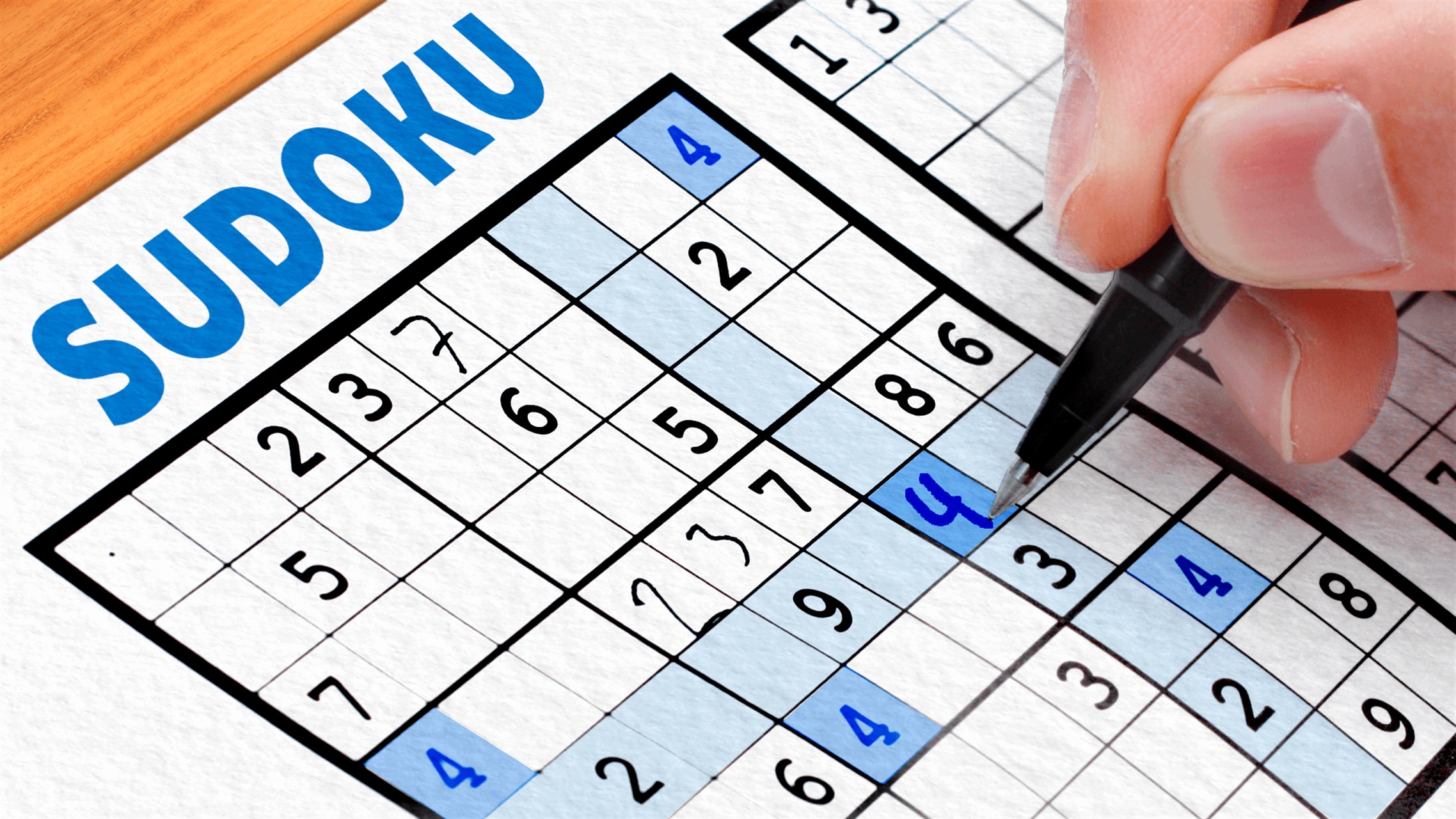
Build better focus, make smarter decisions, and enjoy a premium brain-training journey with beginner-friendly guidance, practical tips, and beautifully structured content.
A smarter way to practice every day
Sudoku strengthens pattern recognition and logical deduction, while chess develops planning, memory, and strategic thinking. Together, they create a powerful mental fitness routine for beginners and regular players alike.
Each section of this landing page is written to feel polished, readable, and search-friendly while keeping the topic focused on brain training games.
Practice deduction, pattern spotting, and step-by-step reasoning with game-based learning.
Improve focus by staying present through every move, clue, and decision.
Chess teaches planning, prediction, and smart trade-offs under pressure.
Simple guidance helps new players build confidence without feeling overwhelmed.
Sudoku is one of the most effective brain training games for improving logical reasoning because each move depends on what has already been placed. It encourages patience, attention to detail, and careful elimination of possibilities.
For beginners, start with easier grids, scan rows and columns first, and look for numbers that can only fit in one place. As you get comfortable, move to harder puzzles to challenge your concentration and speed.
Chess helps develop concentration because every position demands attention to threats, opportunities, and long-term plans. It also strengthens problem-solving by asking you to think several moves ahead.
Beginners should focus on controlling the center, developing pieces early, and protecting the king before trying advanced tactics. Learning simple openings and practicing daily can make progress feel natural and rewarding.
Sudoku and chess are both engaging because they mix challenge, structure, and progression in a way that keeps the mind active.
These games reward sustained attention, helping you stay mentally present longer.
Remembering moves, patterns, and puzzle logic supports stronger working memory.
You learn to evaluate choices, test ideas, and adapt when the situation changes.
Structured games encourage patience and reduce rushed decision-making habits.
Small daily wins build confidence and keep motivation high over time.
Both games offer clear rules and easy entry points for consistent practice.
These answers are written to help beginners understand how Sudoku and chess support mental growth.